About the workshop
Foundation models are rapidly reshaping medical AI, enabling large-scale representation learning across imaging, clinical text, biosignals, and multimodal health data. Despite strong performance across many downstream tasks, major challenges remain in translating these advances into reliable clinical impact. This workshop brings together researchers to exchange perspectives on key obstacles, including data heterogeneity, domain shift, limited annotation, evaluation biases, robustness, interpretability, and regulatory constraints.
Call for Abstracts
Scope of the Workshop:
We invite submissions of 2500 characters extended abstracts presenting original, unpublished, or ongoing work, as well as recently published or accepted archival work (published or accepted in 2025 or later), on medical foundation models. Topics of interest include, but are not limited to:
- Data collection and curation for scaled pretraining
- Pretraining strategies for medical foundation models
- Multimodal learning across imaging, text, and structured health data
- Domain adaptation and fine-tuning for clinical tasks
- Evaluation benchmarks and validation in real-world settings
- Interpretability, explainability, and trustworthiness
- Bias, fairness, and ethical considerations in healthcare AI
- Privacy-preserving and federated learning approaches
- Deployment, monitoring, and integration into clinical workflows
- Regulatory and translational challenges
Submissions will be reviewed for quality, relevance, and potential to stimulate discussion. All selected abstracts will be presented as posters, while a subset will be chosen for short oral presentations. All accepted contributions will be included in the workshop program. We particularly encourage interdisciplinary work and contributions that highlight practical challenges, novel methodologies, or real-world clinical applications.
Important dates
| Date | Event |
|---|---|
| April 15, 2026 | Submission Opens |
| May 3, 2026 | Abstract Submission Deadline |
| May 7, 2026 | Notification of Acceptance |
| June 8, 2026 | Workshop |
Schedule
| Time | Title |
|---|---|
| 2:15pm – 2:25pm | Opening Remarks |
| 2:25pm – 3:40pm | Dr. Fabian Isensee, Constantin Ulrich and Marcel Knopp, German Cancer Research Center (DKFZ) |
| 3:40pm - 4:15pm | Oral Session 1 |
| 4:15pm - 4:45pm | Coffee Break |
| 4:45pm - 5:20pm | Dr. Laura Daza, Dr. Cristina González and Marta Hasny, IML, Helmholtz Munich |
| 5:30pm - 6:10pm | Keynote: Prof. Ewa Szczurek, Helmholtz Munich |
| 6:10pm - 6:25pm | Closing remarks |
List of Speakers
TBD
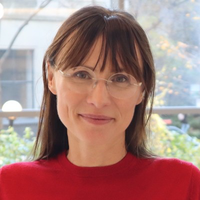
Prof. Ewa Szczurek · Institute of AI for Health at Helmholtz Munich, University of Warsaw
Co-director of the Institute of AI for Health at Helmholtz Munich, Germany (from Feb 2024), and leads joint labs at Helmholtz Munich and at the Faculty of Mathematics, Informatics and Mechanics of the University of Warsaw, Poland. She was a visiting associate professor at Northwestern University in the United States (2023) and a visiting fellow at the Center for Interdisciplinary Research, Bielefeld, Germany (2016). She holds master’s degrees in computer science from the University of Warsaw, Poland and Uppsala University, Sweden. She obtained her doctoral degree from the Max Planck Institute for Molecular Genetics in Berlin (2011), followed by a postdoctoral fellowship in Switzerland at ETH Zurich. Prof. Szczurek was a recipient of the distinction, scientific and didactic awards from the Rector of the University of Warsaw, as well as ETH Zurich and IMPRS fellowships for her postdoctoral and doctoral research. Her research focuses on artificial intelligence, in particular probabilistic graphical models and deep generative models, and their applications in computational medicine. Her specific applications include oncology, pulmonology and the AI-driven design of antimicrobial peptides.
TBD
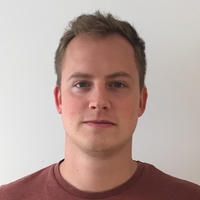
Dr. rer. nat. Fabian Isensee · German Cancer Research Center (DKFZ)
Senior Scientist at the German Cancer Research Center (DKFZ) in Heidelberg and a board member of the Division of Medical Image Computing. From 2020 to 2025, he led the Helmholtz Imaging Applied Computer Vision Lab, where he coordinated the development of state-of-the-art AI methods for medical image analysis and their translation into clinical and research practice within the Helmholtz Association. He is best known as the creator of nnU-Net, a self-configuring deep learning framework that has become the de facto standard for medical image segmentation and is widely used across academia, industry, and clinical research. Dr. Isensee studied Molecular Biotechnology at Heidelberg University and obtained his PhD at DKFZ and Heidelberg University with a focus on automated design of segmentation methods for biomedical imaging. His work has been published in leading venues such as Nature Methods and The Lancet Oncology and has been recognized through numerous international challenge wins. In 2025, he was awarded the Leopoldina Prize for Junior Scientists for his contributions to AI driven medical image analysis. His current research focuses on interactive segmentation systems (nnInteractive) and the development of foundation models for 3D radiological imaging, with the aim of building robust, adaptable, and user centric AI tools that can generalize across tasks, anatomies, and clinical settings.
List of Organizers
Laura Daza
Helmholtz Munich
Cristina González
Helmholtz Munich
Marta Hasny
Helmholtz Munich

Marcel Knopp
German Cancer Research Center (DKFZ)